Written by a family that still buys its espresso out

Before you buy an espresso machine, find out what your coffee shop habit really costs

We drink espresso most days and we don't own a machine yet — so this site is the research we're doing for ourselves, in public. Start with the math below, then read what each price tier honestly gets you.

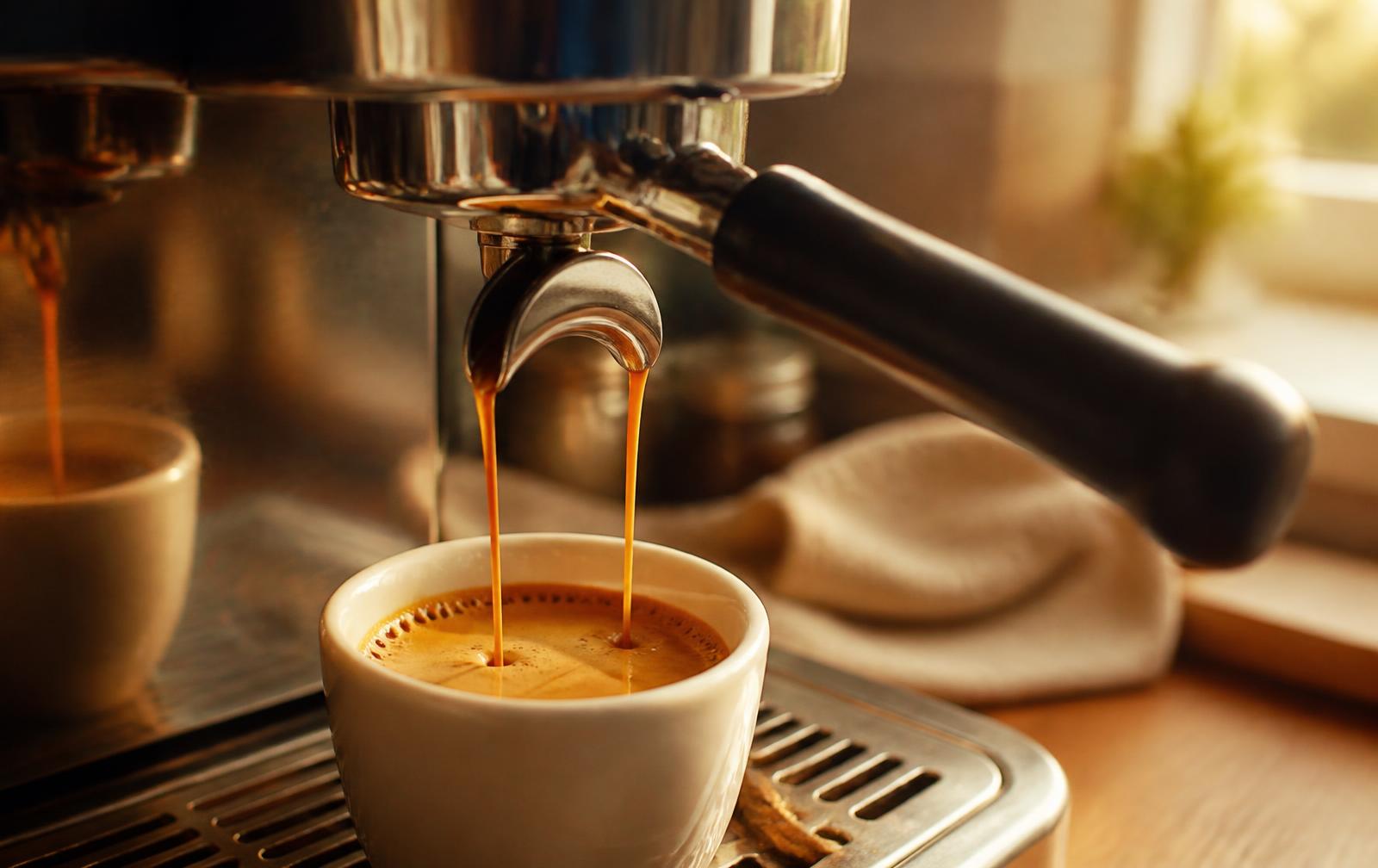
Espresso pouring into a cup on a home kitchen counter in morning light

Run your own numbers

Defaults reflect a typical US latte habit. Change them to match what your family actually spends.

Coffee shop / year

$4,290

Same drinks at home

$507

Difference / year

$3,783

Payback time by machine budget
Setup budgetPays for itself in
$300under a month
$8002.5 months
$1,5004.8 months

Payback ignores electricity, descaling supplies and the shots you'll waste learning. Add a couple of months to be honest about it.

What each price tier actually gets you

Price ranges are typical US street prices and move constantly. We describe categories, not specific listings, so nothing here goes stale on you.

Entry semi-automatic

$150 – $400

Best for: One or two drinks a day, milk drinks you don't mind practicing at

Pressurized baskets make forgiving shots but limit how good they get. Steam wands are slow. Most owners outgrow these or stop using them.

  • Add a burr grinder — pre-ground coffee is the #1 reason cheap machines disappoint
  • Plastic portafilters and thermoblock boilers are the usual cost savings
  • Budget ~$40–$80 for a tamper, scale and cleaning tablets

Mid-range prosumer

$500 – $1,200

Best for: A household pulling 2–4 drinks a day that wants café-level milk texture

This is where temperature stability and a real steam wand show up. It is also where a separate grinder becomes non-negotiable.

  • Look for a 58mm portafilter — accessories and baskets are everywhere
  • PID temperature control is the single biggest quality jump in this band
  • Plan the total: machine + grinder often lands 40–60% above the machine price

Automatic / bean-to-cup

$700 – $2,000

Best for: Families where several people want a button, not a hobby

Shot quality is a notch below a good manual setup, but consistency across four different people is far higher. The grinder is built in.

  • Check the milk system: carafe units are easier, wand units are cheaper to maintain
  • Descaling and daily brew-group rinses are mandatory, not optional
  • Repairability varies a lot by brand — check parts availability before buying

The three questions worth answering first

Who is making the coffee?

If one person enjoys the ritual, a manual machine is great. If four people want a button before work, a bean-to-cup unit will get used and a manual one won't.

Milk drinks or straight shots?

Lattes and cappuccinos are what make cheap steam wands frustrating. If your family drinks milk-based, weight steam performance above everything else.

Is a grinder in the budget?

A cheaper machine with a good burr grinder beats an expensive machine with pre-ground coffee. If the budget only covers one, buy the grinder first.